
PERMISSIONS · PROTECTED SITES
Metal detecting on scheduled monuments: the UK rules
A four-nation guide to scheduled-monument detecting restrictions, statutory consent and checking a site's protected boundary.
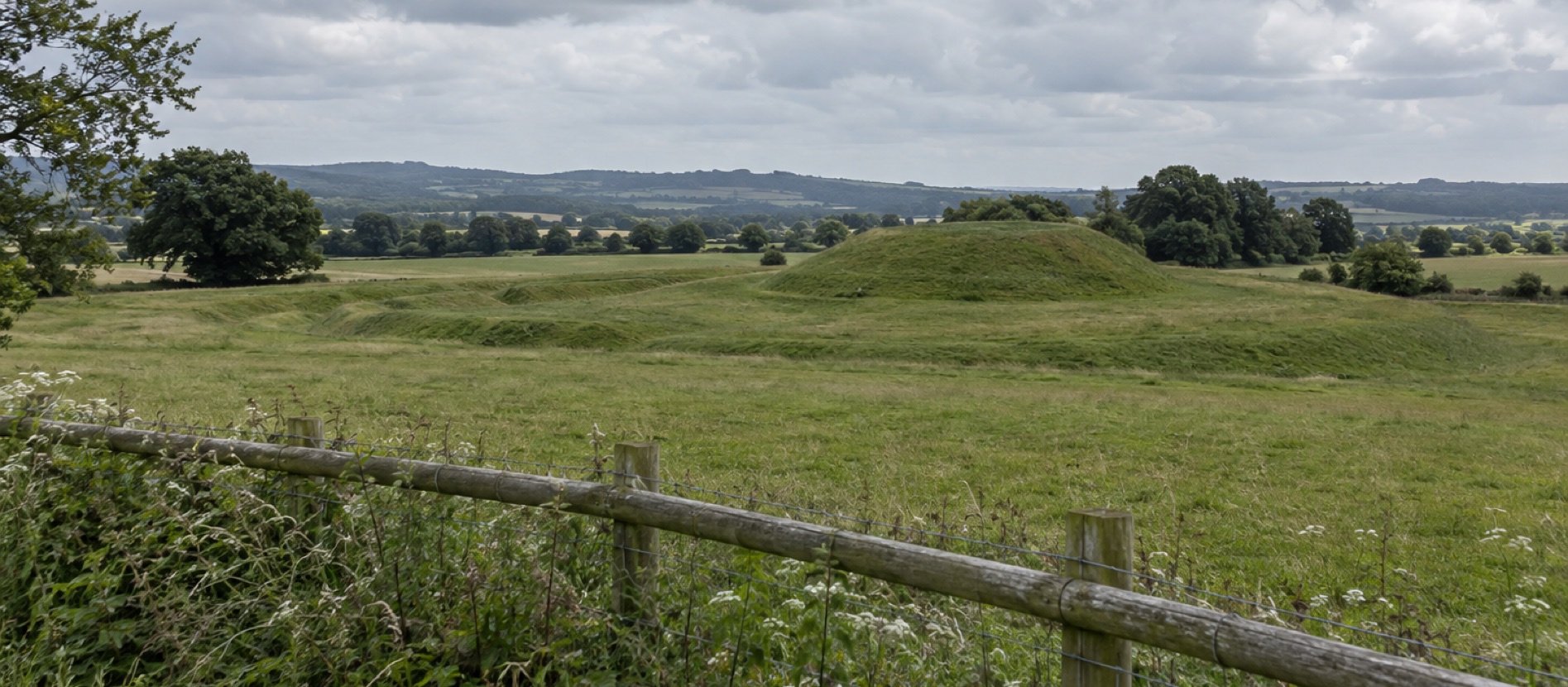
Check the official mapped boundary before arriving, not just a map pin.
Ask the correct national heritage body about any proposed survey.
Do not disturb an apparent archaeological deposit on nearby permitted land.
Why the restriction is strict
A scheduled monument protects nationally important archaeological remains, often including deposits below an ordinary-looking field. Removing a metal object without recording its precise context can destroy evidence about that place. A landowner can grant access to the field but cannot waive the monument's statutory controls. Nor does a promise to scan without digging automatically make detector use lawful on the scheduled area.
England: Historic England Section 42
Historic England says Section 42 consent is required to operate a metal detector on a scheduled monument and to remove an archaeological or historical object found with one. Its wider protected-place guidance can also cover certain guardianship monuments and areas of archaeological importance. Consent is exceptional, normally tied to a recognised archaeological project with research aims and plans for recording, reporting and archiving. Some ground-disturbing work can additionally require Scheduled Monument Consent. Ask the relevant Historic England office before proposing any activity.
Wales: Cadw written consent
Cadw says detector use on a scheduled monument without prior written consent is an offence, on land or underwater. Its guidance directs applications through section 60 consent and says it does not normally grant consent unless the survey forms part of a consented excavation or wider research strategy. It asks for methodology, a mapped area, landowner permission and a finds conservation and reporting plan. Check Cof Cymru for the official designation and ask Cadw about an uncertain boundary.
Scotland: HES consent
Historic Environment Scotland requires consent for metal or mineral detecting on a scheduled monument or one in the guardianship of Scottish Ministers. It normally considers detecting only within a wider archaeological research project. Scottish Treasure Trove obligations apply to archaeological objects wherever they are found; see the Scotland guide.
Northern Ireland: HED controls
The Department for Communities describes restrictions on detector possession and use at scheduled monuments. nidirect says possessing a detector at a scheduled or State Care site requires prior HED consent. Archaeological searches or excavation may separately require a licence. Ask the Historic Environment Division rather than applying an English Section 42 form to a Northern Irish site.
How to check a site before you go
Use the official national designation record, inspect the mapped extent and compare it with the exact field or beach strip in your permission. A monument name or marker does not necessarily show the full protected area. If a boundary is ambiguous, stay away until the authority confirms it. Also ask about other heritage records, stewardship terms and nature protections on adjacent land. A site that is not scheduled can still be archaeologically sensitive or subject to other restrictions.
If you unexpectedly expose a feature, human remains or a connected group of artefacts on lawful ground, stop recovering objects, protect the location and seek specialist advice. Our findspot-recording guide helps preserve the information while the correct authority is contacted.
Use a finds pouch only on ground where detecting and recovery are independently authorised. It cannot make a protected-site search lawful.
Common questions
Frequently asked questions
Can a farmer allow detecting on a scheduled monument?
The farmer's permission cannot replace statutory consent. Contact the relevant national heritage authority before any detector use on protected ground.
Is detecting without digging allowed on a scheduled monument?
Do not assume so. Detector operation itself is restricted in England, Wales and Scotland, and Northern Ireland also restricts possession or use at protected sites.
Who grants metal-detecting consent in England and Wales?
Historic England handles Section 42 consent in England; Cadw's published guidance describes written section 60 consent in Wales. Other work may need separate scheduled-monument consent.
Does a map pin show the full protected boundary?
Not necessarily. Inspect the official mapped designation extent and ask the relevant authority when an edge is unclear.
Helpful products
For permitted ground outside protected areas
Keep any lawful finds and locations separate on your other permissions; equipment offers no exception to scheduled-site restrictions.

All-round field pouch
XP Finds Pouch
Best for: Regular field and wet-weather searches where quick debris storage and a separate protected pocket matter.
- Open pocket plus zipped pocket
- Washable with water drainage
- Belt, strap or MOLLE mounting
A washable belt pouch with an open debris compartment, a zipped pocket for better finds, drainage and MOLLE attachment points for a pinpointer holster or lanyard.
Know before buying: The open section is for robust scrap, not fragile objects; use a rigid finds box inside the zipped area for coins and delicate artefacts.